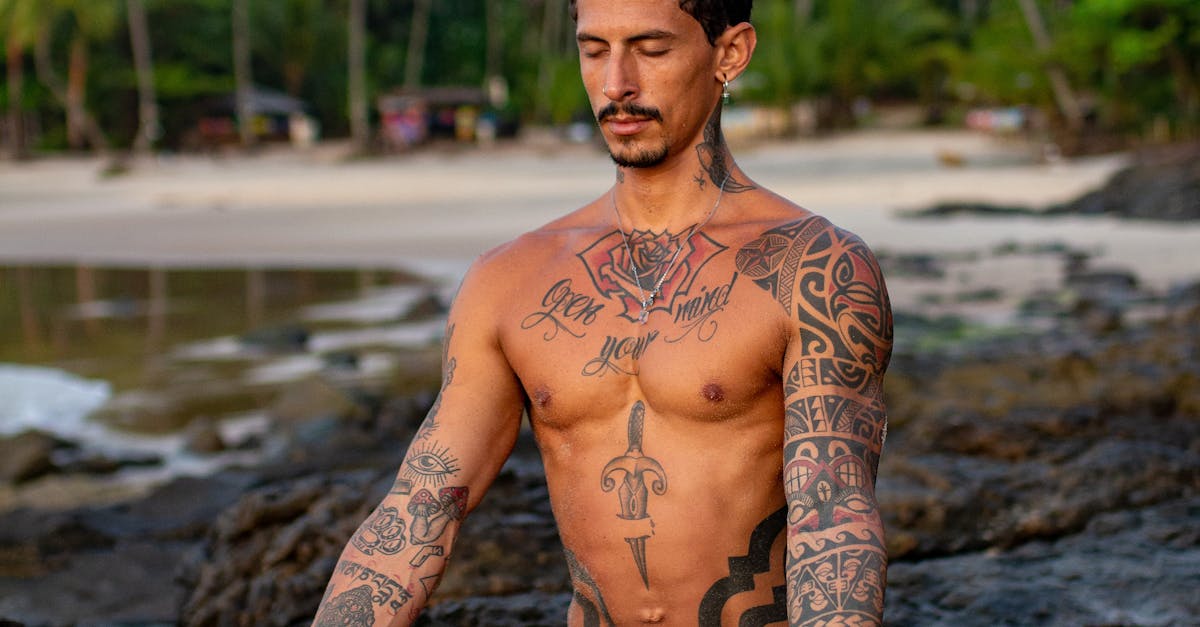
From Street Art to Skin Art: Influence of Public Installations on Tattoos
Table Of Contents
The Cultural Exchange Between Street Art and Tattoos
Street art serves as a vibrant canvas for societal commentary, often engaging with themes that resonate deeply within communities. This form of expression reflects local culture, struggles, and triumphs, creating a dialogue between the artist and the public. Tattoos, similarly, are a deeply personal form of self-expression. Individuals often choose designs that convey significant meanings tied to their life experiences, history, or affiliations, leading to a shared narrative between the tattooed and their chosen art form.
The interplay between these two mediums has sparked a unique relationship. Tattoo artists frequently draw inspiration from street art, adopting stylistic elements and motifs to create wearable art. This fusion often results in innovative designs that echo urban environments and their narratives, presenting tattoos as not just personal symbols but as part of an evolving cultural tapestry. The accessibility of street art invites people to engage with it, enriching their understanding of tattoos as an extension of broader artistic movements that challenge traditional boundaries.
How Urban Environments Shape Tattoo Trends
Urban environments serve as dynamic canvases that reflect the cultural tapestry of the community, influencing various forms of expression, including tattoos. In cities, the presence of diverse artistic styles often leads to the blending of techniques and motifs, creating unique tattoo trends that resonate with local identity. Street art, for instance, introduces vibrant designs that can inspire tattoo artists to reimagine those visuals on skin. The rapid changes in urban demographics also encourage a fusion of cultural influences, prompting tattoo artists to adapt their work to new tastes and aesthetics prevalent within the city’s ever-evolving character.
The aesthetic influence of public installations cannot be overlooked in this transformation. With murals, sculptures, and graffiti saturating urban landscapes, residents often draw inspiration from these art forms when choosing tattoo designs. Local artists may incorporate elements from nearby installations into their work, leading to a rich dialogue between the urban space and tattoo artistry. Additionally, as communities gather to celebrate local artists through events and exhibitions, the shared experiences foster a collective appreciation for certain styles, perpetuating tattoo trends that reflect the spirit of the environment.
Community Engagement Through Art
Public installations have long served as a platform for positive interaction within communities. Artists often engage residents in the creation process, fostering a sense of ownership and pride. Workshops and collaborative projects can transform both public art and community bonds, inviting individuals to contribute their ideas and creativity. This collaboration not only enriches the artwork but also strengthens social ties, yielding a greater appreciation for both art and community.
Tattoos frequently emerge as a personal reflection of cultural identity and community stories. Local artists often draw inspiration from nearby public art, incorporating elements from installations into their designs. This connection can promote local pride and heritage, allowing individuals to wear their community's narratives on their skin. The cycle of inspiration between public art and tattoo culture can create a dynamic interplay, emphasising the importance of local influences and experiences in personal expression.
The Role of Public Installations in Local Identity
Public installations often act as a canvas, showcasing the artistic expressions that resonate with local communities. Murals, sculptures, and interactive artworks reflect the unique histories and diverse cultures of their surroundings. These features contribute to a sense of belonging among residents while attracting visitors keen to explore the area’s character. The visual language of public art communicates shared experiences, underscoring the collective identity of a neighbourhood.
As public installations gain recognition, they inspire tattoo designs that echo their themes and styles. Local tattoo artists frequently draw influence from the imagery and messages presented in these artworks. This relationship strengthens community ties as individuals make permanent decisions about body art that celebrate their locality. The integration of elements from public installations into tattoos fosters a deeper connection to place, imbuing personal expression with the essence of local identity.
The Impact of Social Media on Tattoo Culture
In recent years, social media platforms have transformed the way people discover and engage with tattoo art. Artists showcase their portfolios on Instagram and TikTok, making it easier than ever for potential clients to find inspiration and connect with tattooists whose styles resonate with them. This visual-centric nature of social media allows for rapid dissemination of new trends, techniques, and designs, often leading to viral tattoo concepts that spread across different communities.
Furthermore, social media creates an interactive space where tattoo enthusiasts share their experiences and stories behind their ink. This dialogue fosters a sense of belonging within diverse communities, encouraging individuals to embrace their unique expressions through body art. As users post images of their tattoos and interact with one another, they contribute to a continuously evolving narrative that not only highlights personal journeys but also influences broader cultural conversations around identity, artistry, and the meaning of tattoos.
Sharing and Influencing Artistic Choices
Social media platforms have transformed the way tattoo culture is shared and experienced. Artists can showcase their work to a global audience, leading to a dynamic exchange of ideas and styles. Trends can quickly gain traction as users repost and share their favourite designs. This immediacy allows for quicker adaptation and evolution of tattoo art, with styles from different cultures often blending in unique ways.
Influencers play a significant role in shaping what is considered fashionable or desirable in tattoos. Their recommendations and stylised portrayals of body art influence followers' choices and inspire new tattoo concepts. As tattoos become more ingrained in personal and cultural expression, the intersection of social media and tattoo artistry creates a vibrant dialogue. This continuous feedback loop pushes both artists and enthusiasts to explore and innovate, ensuring that tattoo culture remains fresh and relevant.
FAQS
How does street art influence tattoo designs?
Street art provides a rich source of inspiration for tattoo designs, with its bold colours, unique styles, and cultural messages often translating into ink on skin. Many tattoo artists draw from the visual language of street art, incorporating elements such as graffiti, murals, and urban motifs into their work.
What role do urban environments play in shaping tattoo trends?
Urban environments often foster creativity and diversity, which influences tattoo trends. The presence of street art, cultural events, and a variety of communities can lead to the emergence of specific styles and themes that resonate within the local population, making tattoos a reflection of the urban landscape.
How do public installations contribute to community engagement?
Public installations engage communities by providing a platform for local artists to showcase their work, encouraging dialogue and interaction among residents. This sense of ownership and involvement can inspire individuals to express their identity through tattoos that represent their community’s culture and values.
What is the significance of public installations in local identity?
Public installations often serve as landmarks that embody the history, culture, and values of a community. They can influence local identity by sparking conversations and reflections on what it means to belong to that place, which can subsequently inspire tattoos that celebrate or critique aspects of that identity.
How has social media impacted tattoo culture?
Social media has revolutionised tattoo culture by enabling artists and enthusiasts to share their work, ideas, and inspirations across platforms. This visibility allows for a rapid exchange of styles and trends, creating a global community of tattoo lovers and increasing the influence of street art on tattoo designs.
Related Links
Reflecting Modern Art Trends in Palm Beach Through Tattoo ExpressionExploring the Relationship Between Palm Beach Art Festivals and Tattoo Trends
The Evolution of Tattoo Styles Influenced by Contemporary Art
Activism in Ink: Modern Art Tattoos as Commentary in Palm Beach
Cultural Narratives: The Role of Modern Art in Tattoo Storytelling
Iconic Modern Art Movements Shaping Tattoo Culture in Palm Beach
The Fusion of Modern Art and Tattoo Aesthetics in Palm Beach