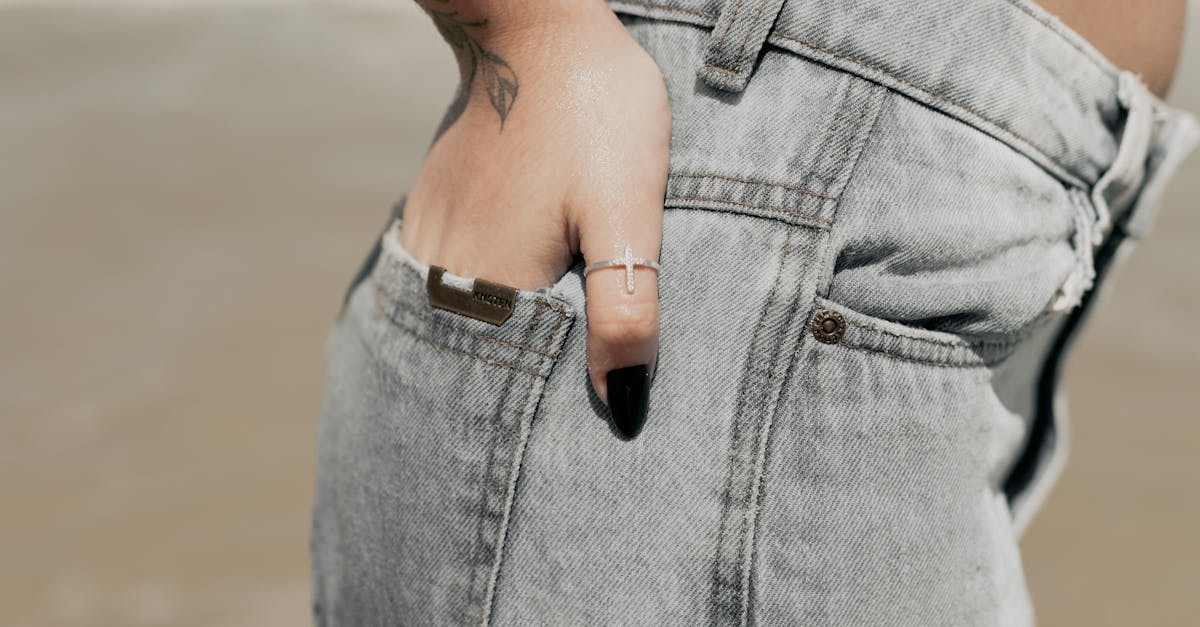
From Canvas to Skin: Influential Artists and Their Tattoo Techniques
Table Of Contents
Tattooing as a Form of Expression
Art has always served as a medium for personal expression, and tattooing epitomises this concept. Each design holds unique significance for the individual, revealing narratives and deep emotions that go beyond the skin. For many, tattoos can encapsulate moments of joy, loss, or transformation, often marking pivotal experiences in their lives. This form of body art provides an avenue for self-identity, allowing individuals to craft a visual representation of their beliefs and values.
The rise of tattoo culture has normalised the practice, moving it from the fringes of society into mainstream acceptance. Artists bring their distinct styles and techniques, each contributing to the rich tapestry of tattoo artistry. With cultural influences and personal stories interwoven into the art, tattoos have become a celebration of individuality. Every inked piece becomes a lasting reminder of the varied journeys one undertakes throughout life.
Personal Stories Behind the Ink
Tattoos often serve as a personal narrative for many individuals, encapsulating moments that hold significant meaning. The ink can signify everything from a life-changing event to a tribute for a loved one, allowing people to carry their stories visibly on their skin. Each tattoo can reflect personal journeys, highlighting milestones or commemorating losses that have shaped a person's life experience. The choice of design and placement becomes a deeply personal decision, reinforcing the emotional connections that tattoos can represent.
Artists who collaborate with clients to create custom designs often delve into the narratives behind each request. A simple image can transform into a powerful symbol when it resonates with an individual's history or aspirations. This intimate exchange fosters a relationship between the artist and the wearer, as stories unfold and evolve during the tattooing process. It is not uncommon for clients to feel a sense of healing or empowerment through their ink, turning the artistry into a visual testament of resilience and identity.
The Impact of Digital Art on Tattoo Design
Digital art has revolutionised the tattoo industry by offering unprecedented tools and methods for both artists and clients. Software applications allow for precise designs, and artists can manipulate images with ease. This not only enhances the creative process but also enables an interactive experience. Clients can see realistic previews of customised tattoos before the needle even touches the skin. Such visualisation builds confidence in the design choice and strengthens the connection between the artist and the client.
The accessibility of digital tools fosters innovation in tattoo styles and techniques. Artists experiment with complex patterns, blending traditional elements with contemporary aesthetics. The ability to share digital portfolios online has expanded creative boundaries and allowed for a global exchange of ideas. This cross-pollination influences emerging trends, resulting in a rich tapestry of designs that cater to diverse preferences. Overall, digital art plays a crucial role in shaping the future of tattooing, pushing the medium beyond conventional limits.
How Technology is Transforming Techniques
Innovations in technology have significantly altered the landscape of tattooing. Equipment such as rotary machines, which provide smoother lines and reduced skin trauma, has become increasingly popular among artists. Additionally, the rise of digital design software allows tattooists to create intricate and precise designs, enabling them to refine their work before the needle ever touches the skin. This shift not only enhances the artist's creative process but also leads to higher-quality results for clients.
The emergence of augmented reality (AR) offers a unique pre-tattoo experience for customers. Potential clients can now visualise how designs will look on their bodies using AR applications. This technology helps bridge the gap between concept and reality, allowing individuals to experiment with various styles and placements before making a permanent decision. As the tattoo industry continues to embrace these advancements, it opens up new avenues for creativity and collaboration between artists and clients.
Exploring Cultural Symbolism in Tattoos
Tattoos have long served as vessels of cultural expression, embodying the traditions, beliefs, and narratives of various societies. Specific designs often hold deep significance, transcending mere aesthetics to reflect historical events, spiritual beliefs, or communal identity. For example, Maori tattoos, known as tā moko, are steeped in history, showcasing status, ancestry, and personal achievements. Similarly, Indigenous Australian body art narrates stories, connecting individuals to their land, culture, and heritage. Each symbol weaves together a rich tapestry of cultural meaning, inviting dialogue about identity and community.
As globalisation progresses, the exchange of cultural symbols within the tattooing sphere has become increasingly prominent. What once represented exclusive community ties now sees widespread adoption and interpretation across diverse backgrounds. This blending often raises questions about authenticity and appropriation, as individuals navigate the complexities of wearing symbols from cultures other than their own. Artists play a pivotal role in honouring the original meanings while creating unique interpretations that resonate with a broader audience. This evolution in symbolism reflects a dynamic interplay between tradition and contemporary expression, broadening the conversation around what tattoos can signify in an interconnected world.
The Meaning Behind Popular Designs
Tattoos often reflect deep personal significance, carrying meanings that resonate with individuals. Designs such as anchors symbolize stability and hope, while butterflies represent transformation and rebirth. Many people choose to ink symbols that connect to their heritage, spirituality, or experiences, creating a unique narrative etched onto their skin. Popular motifs like roses often embody love and beauty, while skulls can denote a reverence for mortality or a celebration of life.
Cultural influences also play a pivotal role in shaping the meanings behind tattoos. Traditional tribal designs often serve as rites of passage, representing strength and identity within specific communities. In contrast, Western popular culture elevates images from myths and pop icons, imparting varying degrees of significance. This amalgamation of cultural narratives and personal stories enriches the tapestry of tattoo artistry, allowing each piece to convey a blend of shared and individual interpretations.
FAQS
What is the significance of tattooing as a form of expression?
Tattooing serves as a powerful form of personal and artistic expression, allowing individuals to convey their beliefs, stories, and emotions through permanent body art.
How do personal stories influence tattoo choices?
Many people choose tattoos that reflect significant life experiences, memories, or milestones. These personal stories can inspire unique designs that hold deep meaning for the wearer.
How has digital art impacted tattoo design?
Digital art has revolutionised tattoo design by providing artists with advanced tools for creating intricate and precise designs, enabling greater creativity and versatility in tattoo art.
What role does technology play in tattooing techniques?
Technology has transformed tattooing techniques through innovations like tattoo machines, digital stencils, and high-quality inks, improving the overall quality and safety of tattoos.
What are some popular cultural symbols found in tattoos?
Popular cultural symbols in tattoos often include animals, mythological figures, and traditional motifs that carry specific meanings within different cultures, reflecting values, beliefs, and heritage.
Related Links
Iconic Palm Beach Artists Shaping Tattoo StylesCelebrating Cultural Diversity Through Tattoos in Palm Beach
The Impact of Palm Beach’s Natural Environment on Tattoo Styles
Blending Traditional Art with Modern Tattoo Practices in Palm Beach
Palm Beach’s Avant-Garde Artists and Their Tattoo Innovations